Low back pain is one of the most common reasons people seek care, but not all low back pain comes from the same place. Sometimes the real source is a pair of joints most people have never heard of: the sacroiliac joints, where your spine meets your pelvis. When one of these joints is not working right, it can produce a stubborn, one-sided ache that is easy to mistake for a disc problem or sciatica, and just as easy to treat in the wrong place. If you have low back or buttock pain that has never quite added up, your sacroiliac joints are worth a closer look.
Meet Your Sacroiliac Joints
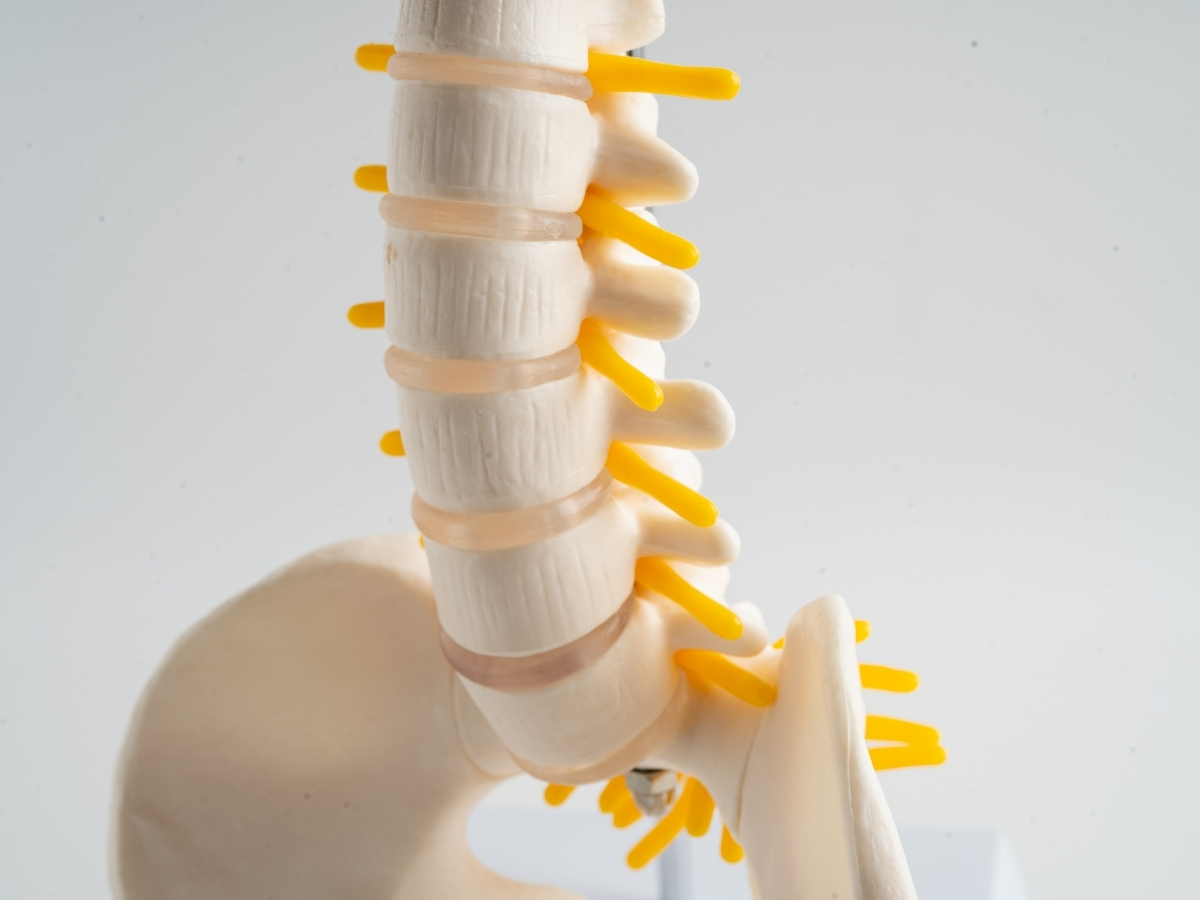
You have two sacroiliac joints, often shortened to SI joints, one on each side of your lower back where the base of your spine, the sacrum, connects to the large bones of your pelvis. These are sturdy, low-motion joints held together by some of the strongest ligaments in the body, and they have a big job. They transfer the load of your upper body down into your legs, absorb shock as you walk and run, and provide a stable base for nearly everything your lower body does. You do not think about them, which is exactly how it should be when they are working well.
What Goes Wrong: SI Joint Dysfunction
SI joint dysfunction is what happens when one of these joints stops moving the way it should. Sometimes the joint becomes restricted and moves too little, and sometimes it becomes loose and moves too much. Either way, the result is irritation and inflammation in and around the joint, and that is what produces pain. Because the SI joints sit at the crossroads between your spine and your pelvis, a problem here can throw off the mechanics both above and below it, which is why SI joint issues so often come with tightness or discomfort in the low back, hips, and glutes.
How SI Joint Pain Feels, and Why It Is So Often Misread
SI joint pain has a fairly recognizable pattern once you know what to look for. It usually sits low and to one side, often right around the dimple above the buttock, and it can spread into the buttock, hip, groin, or the back of the thigh. Here is a key detail that helps separate it from sciatica: SI joint pain rarely travels below the knee, whereas true sciatica often shoots all the way down into the calf or foot with tingling or numbness. SI pain also tends to flare with specific movements, such as standing up after sitting a while, climbing stairs, rolling over in bed, or balancing on one leg to put on pants. Because it can masquerade as a disc problem, a general low back strain, or sciatica, SI joint dysfunction is frequently overlooked, and people can spend a long time treating the wrong thing.
What Causes SI Joint Problems
A number of things can set off the SI joints. Pregnancy is a common one, since the hormones that loosen ligaments for delivery, combined with a shifting center of gravity, can leave the joints less stable. A fall onto the buttock or a hard step off a curb can jar the joint. A difference in leg length, or repeatedly loading one side, such as always carrying a child on the same hip, can create uneven stress over time. Arthritis and the natural wear of aging play a role for some people. And often, an SI joint problem develops as a compensation, when another issue changes how you move and the joint quietly pays the price.
How Chiropractic Care Can Help
The encouraging news is that SI joint dysfunction tends to respond very well to conservative care, because it is fundamentally a mechanical problem, a joint that is not moving correctly. Chiropractic care is aimed squarely at exactly that. By restoring proper motion and alignment to the joint and the surrounding pelvis, care can ease the irritation and help the area function normally again. Addressing the whole picture matters too, since an SI joint rarely goes wrong in isolation, and correcting the mechanics above and below it helps the results hold.
Our Approach at Keystone
At Keystone Chiropractic, we start by identifying whether your pain is genuinely coming from the SI joint rather than from a disc, a nerve, or elsewhere, so your care is aimed at the right target. From there, Drs. Daniel and Joshua Baek deliver precise, gentle adjustments with a drop table, which is especially well suited to restoring motion in the pelvis and SI joints without any forceful twisting. If a disc-related low back component is part of the picture, spinal decompression may also help, with low back sessions lasting about six to eight minutes. And for lingering inflammation around the joint, we may suggest natural support such as curcumin and astaxanthin. The aim is a pelvis that moves evenly and a lower back that is no longer picking up the slack.
When to Get It Checked
Most SI joint pain is mechanical and responds well to care, but some symptoms deserve prompt medical attention. If your low back or pelvic pain comes with fever, follows a significant trauma, or is accompanied by numbness in the groin area or any loss of bladder or bowel control, seek medical care right away. As always, a proper evaluation is the best way to know exactly what is going on, and we will point you toward the right level of care if your situation calls for it.
Find Relief in Plano and Frisco
If you have been dealing with one-sided low back or buttock pain that just will not quit, your sacroiliac joint may be the piece everyone has been missing. It is a common source of pain, and a very treatable one. At Keystone Chiropractic, Drs. Daniel and Joshua Baek help people across Plano and Frisco pinpoint the real source of their pain and address it through honest, neuro-structural care. New patients can get started with our $64 new patient special, which includes a consultation, any necessary x-rays, and your first low back decompression. Schedule your visit today and take the first step toward lasting relief.