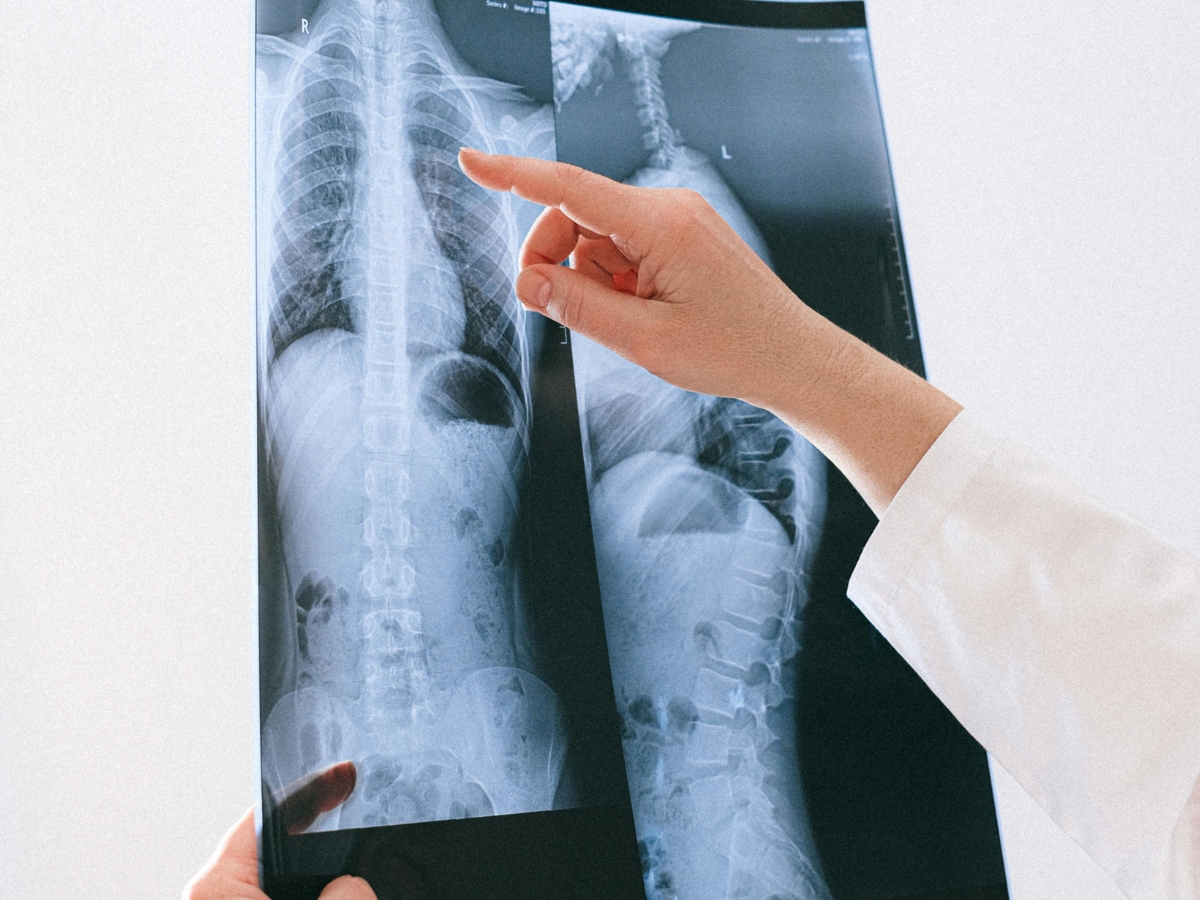
Lower back pain has a way of taking over your entire day. It is there when you get out of bed in the morning. It is there when you sit down at your desk. It flares up when you bend over to pick something up, and it follows you into the evening when all you want to do is relax. If you are dealing with it right now, you already know how much it affects everything, from your productivity to your mood to your ability to enjoy time with the people you love.
The frustrating part is that lower back pain can be difficult to pin down. It has dozens of potential causes, and the one driving your discomfort may not be the one you expect. Understanding what is actually going on in your lower back is the first step toward finding relief that lasts. Here are the most common causes your Plano chiropractor sees, and what you can do about each one.
Spinal Misalignment
Your spine is designed to maintain specific curves that distribute weight evenly and allow your body to move efficiently. When one or more vertebrae shift out of their proper position, that balance is disrupted. The muscles around the affected area tighten to compensate, nerves may become compressed, and the result is pain that can range from a dull, constant ache to sharp, sudden episodes.
Spinal misalignments, also known as subluxations, are among the most common causes of lower back pain. They can develop gradually from years of poor posture, repetitive movements, or prolonged sitting. They can also happen suddenly from a fall, a lifting injury, or an awkward twist. What makes subluxations particularly frustrating is that they do not always cause pain right away. Your body compensates for the misalignment for weeks or months before symptoms finally surface, which is why many patients are surprised to learn how long the issue has actually been building.
At Keystone Chiropractic, our neuro-structural approach is specifically designed to identify and correct these foundational shifts. Using infrared thermography, digital x-rays, and motion x-rays, we can see exactly where the misalignment is occurring and develop a targeted plan to restore proper alignment. Rather than adjusting the entire spine in a general fashion, we focus on the specific vertebrae that are causing the most disruption, delivering precise corrections that address the root of the problem.
Disc Problems
The discs between your vertebrae serve as shock absorbers, cushioning the bones and allowing your spine to flex and bend. Over time, these discs can wear down, lose hydration, bulge outward, or herniate. When a disc shifts out of its normal position, it can press against the nerves that exit the spine, producing pain that stays localized in the lower back or radiates down into the hips, buttocks, and legs.
Herniated discs, bulging discs, and degenerative disc disease are some of the most common disc-related conditions that lead to chronic lower back pain. Sciatica, that sharp or shooting pain that travels down one leg, is often caused by a disc pressing on the sciatic nerve.
Spinal decompression therapy is one of the most effective non-surgical treatments for disc-related lower back pain. At Keystone Chiropractic, our decompression sessions gently stretch the spine to create negative pressure within the affected disc, encouraging it to retract back toward its normal position and drawing nutrient-rich fluid into the disc space to promote healing. Sessions last about 6 to 8 minutes and are gentle enough that many patients find them relaxing. When paired with our neuro-structural adjustments, decompression helps restore both the disc health and the spinal alignment needed for lasting results.
Muscle Imbalances and Weakness
Your lower back does not work in isolation. It relies on a network of supporting muscles, including your core, glutes, hip flexors, and hamstrings, to share the load of daily movement. When certain muscles become weak or tight, the balance shifts, and your lower back picks up the slack.
This is especially common in people who sit for long periods. Prolonged sitting causes the hip flexors to tighten and the glutes to weaken, a combination that pulls the pelvis forward and increases the curve of the lower back. Over time, this postural shift places excessive strain on the lumbar spine and the discs within it.
While chiropractic adjustments address the structural alignment of the spine, being mindful of your movement habits between visits makes a significant difference in how quickly you improve and how well your results hold. Small changes like standing more frequently throughout the day, adjusting your workstation height, and staying consistent with basic movement can help support the corrections we make in the office.
Poor Posture and Sedentary Habits
Modern life is not kind to the lower back. Most people spend the majority of their day sitting, whether at a desk, in a car, or on the couch. When you sit for extended periods, the natural curve of your lumbar spine tends to flatten, placing increased pressure on the discs and ligaments. Add in the forward-leaning posture that comes with looking at screens, and the strain compounds.
Poor posture is rarely the result of a single bad habit. It develops from the accumulation of small compromises throughout the day: slouching in your chair, crossing your legs, leaning to one side, or craning your neck forward to read a screen. Over time, these habits reshape the alignment of the spine and create the conditions for chronic lower back pain.
The good news is that postural imbalances are correctable. Chiropractic adjustments help restore the structural alignment that poor posture has disrupted, and with consistent care, your body can learn to hold a healthier position. Our team at Keystone Chiropractic can also help you identify the specific habits that are contributing to your posture issues so you can start making changes that support your progress.
Stress and Inflammation
Stress is one of the most overlooked contributors to lower back pain. When you are under physical or emotional stress, your body responds by tightening muscles, particularly in the neck, shoulders, and lower back. Chronic stress keeps those muscles in a constant state of tension, which can lead to stiffness, reduced mobility, and pain.
Inflammation also plays a major role. When spinal structures are misaligned, irritated, or damaged, the body produces an inflammatory response. While inflammation is a natural part of healing, chronic inflammation can slow recovery and keep pain cycles active long after the initial trigger has been addressed.
At Keystone Chiropractic, we address inflammation from multiple angles. Our adjustments reduce nerve interference and structural stress, which helps calm the body’s inflammatory response at the source. We also recommend natural anti-inflammatory supplements like curcumin and astaxanthin, which support the body’s healing process from the inside out. These professional-grade products are available through our online Fullscript portal at 20 to 25 percent off retail pricing, making it easy to incorporate them into your daily routine.
When to See a Chiropractor for Lower Back Pain
Many people try to wait out lower back pain, hoping it will resolve on its own. And sometimes it does, temporarily. But when the underlying cause remains unaddressed, the pain almost always returns, often worse than before. The longer a structural issue goes uncorrected, the more the body compensates, and the harder it becomes to reverse the damage.
You should consider seeing a chiropractor if your lower back pain has persisted for more than a few days without improvement, if it is interfering with your sleep, work, or daily activities, if it radiates into your hips or legs, if over-the-counter pain relief provides only temporary results, or if the pain seems to be getting progressively worse. You do not need to wait for a crisis to seek help. In fact, the sooner you address the issue, the simpler the correction tends to be.
Start Your Path to Relief
Lower back pain does not have to be something you simply manage or push through. When you understand what is causing it and take the right steps to address the root of the problem, lasting relief is not only possible, it is the expectation.
If you are in Plano, Frisco, or the greater DFW area and you are ready to get to the bottom of your lower back pain, your Plano chiropractor and the Keystone Chiropractic team are here to help. Book your appointment with us today.